- This event has passed.
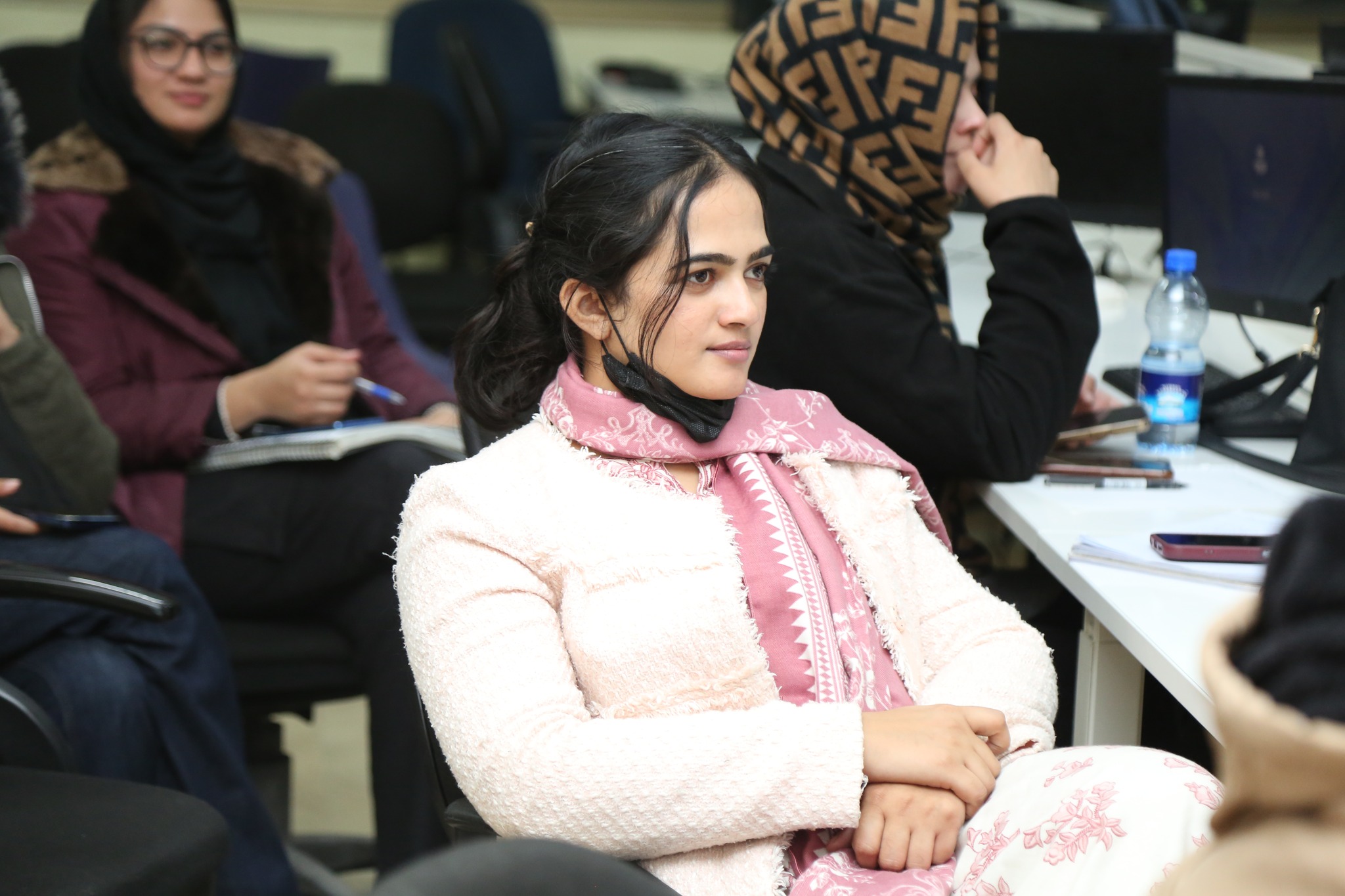
Shaheed Zulfikar Ali Bhutto Institute of Science and Technology (SZABIST) organized a high-impact international academic session for the Executive MBA (EMBA) – Applied Research Methods course, focusing on the strategic application of Artificial Intelligence (AI) in academic and applied research.
The session was led by Dr. Muhammad Imran Qureshi, faculty member at Teesside University, United Kingdom, and a distinguished scholar in research methodology, data analytics, and AI-driven research. Dr. Qureshi delivered a highly insightful and practice-oriented session demonstrating how emerging AI tools are transforming the modern research ecosystem.
Participants were introduced to advanced research tools such as Scopus and SciSpace AI for identifying research gaps and strengthening problem statements. NotebookLM was demonstrated for conducting efficient literature reviews, synthesizing academic sources, and developing research mind maps to enhance conceptual clarity and theoretical framing.
The session also covered research design, methodology, and data analysis, featuring live demonstrations using R programming and Julius AI, highlighting how AI-enabled tools enhance analytical rigor and support data-driven academic decision-making.
The session was moderated by Dr. Muhammad Shafiq, Program Manager – EMBA/PMBA/MHRM, ensuring an engaging and structured academic discourse. The event concluded with a vote of thanks by Dr. Muhammad Asif, Associate Dean, Management Sciences, who acknowledged the speaker’s valuable contribution and reaffirmed SZABIST’s commitment to research innovation, academic excellence, and global collaboration.
The event was attended by EMBA participants, MS and PhD scholars, and faculty members from SZABIST as well as national and international universities, fostering interdisciplinary dialogue and global perspectives on AI integration in research methodology and data analytics.
This initiative reflects SZABIST’s strategic focus on innovation in higher education, AI-enabled research capabilities, and the development of future-ready researchers and academic leaders.