Admission Open Online Degree Verification Zabdesk

QEC

Quality Enhancement Cell Department Bringing standardized quality to Academics

Welcome to SZABIST Quality Enhancement Cell

Welcome to SZABIST university online Quality Enhancement Cell and department. We serve our institute by ensuring that quality education is delivered at SZABIST university and it meets the guidelines set by the Higher Education Commission of Pakistan.

We also ensure that all aspects of SZABIST’s operations achieve the high standards envisaged in the vision and mission of SZABIST university. In addition, our work entails, building relations with academic agencies and associations, within and outside the country, and assisting the various faculties in seeking accreditation of our programs.

Operationally, we collect, analyze, and report internally consistent and accurate information which facilitates strategic planning and timely decision-making by SZABIST’s management and its Board of Trustees.
On our site you will find a variety of information on academic programs, institutional facilities and institutional effectiveness. Please click on the given tabs to learn more about our work.
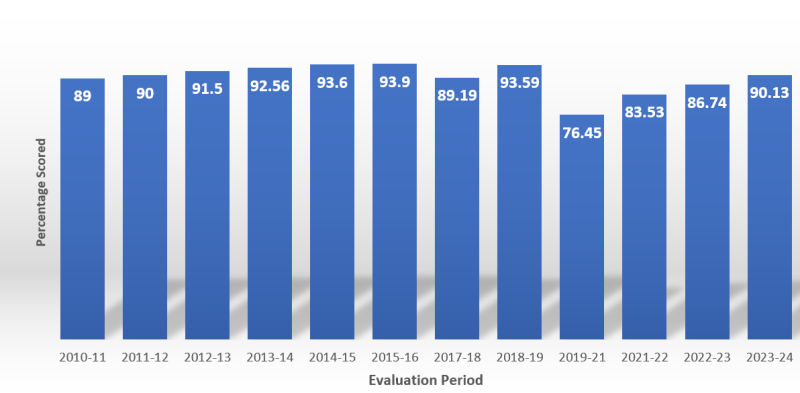
SZABIST Percentage Evaluation By QAA-HEC

Quality Enhancement Cell Achieves the Highest Ranking

The Quality Assurance Agency (QAA) of Higher Education Commission (HEC), SZABIST’s Quality Enhancement Cell has been ranked in the highest category, that is, “W” category. Based on the latest assessment by the Quality Assurance Agency (QAA) of Higher Education Commission (HEC), SZABIST University’s Quality Enhancement Cell (QEC) has been rated as Meeting Maximum Parameters Satisfactorily (MMPS) while obtaining 90.13 marks in its YPR quantitative assessment for the period of July 2023 – June 2024. This reflects the excellent performance of SZABIST University in ensuring adherence to high quality standards of education delivery. This assessment is done annually by the HEC to assess the performance of the Quality Enhancement Cells (QECs) established at different Public and Private sector universities through a scorecard system.

QEC Vision

To develop and continuously upgrade institutional effectiveness so that SZABIST university is recognized amongst the finest universities of the world.

QEC Mission
QEC Functions
QEC Procedures
SDGs Report

Quality Enhancement Cell at SZABIST is created to foster Institutional Effectiveness (IE) to support research, planning, policy formation, streamlining processes, decision making and critical academic initiatives of strategic importance to the institute in all core departments across SZABIST University.

  1. The Quality Enhancement Cell (QEC) plays a pivotal role in promoting a culture of continuous improvement and institutional excellence at SZABIST. It supports evidence-based decision-making, strategic planning, and quality assurance across all academic and administrative domains in line with national and international standards.
  2. QEC operates independently to ensure objectivity and fairness in all assessment and evaluation processes. It serves as a bridge between academic and administrative departments, fostering mutual trust, academic freedom, and transparency in quality initiatives.
  3. QEC contributes to the formulation and periodic review of the university’s strategic goals and implementation of the strategic plan to ensure alignment with SZABIST’s mission and vision. It provides data-driven insights to support informed decision-making at all levels.
  4. QEC collects, analyzes, and maintains comprehensive quantitative and qualitative data on students, faculty, staff, academic programs, and learning outcomes. This data is used to generate institutional reports submitted to the Higher Education Commission (HEC) and other regulatory bodies. QEC ensures full compliance with the requirements of HEC, accreditation bodies, and statutory authorities.
  5. QEC documents the mission, objectives, and learning outcomes of all academic programs and assesses their achievement through qualitative and quantitative analysis. It prepares and submits Self-Assessment Reports (SARs) every two years in collaboration with relevant stakeholders to identify gaps and recommend improvements based on HEC’s criteria.
  6. Real-time online monitoring of classes is conducted to evaluate teaching effectiveness, syllabus coverage, and student engagement across campus. In addition, QEC facilitate the head office for academic processes and examination audits to uphold academic integrity and ensure fairness.
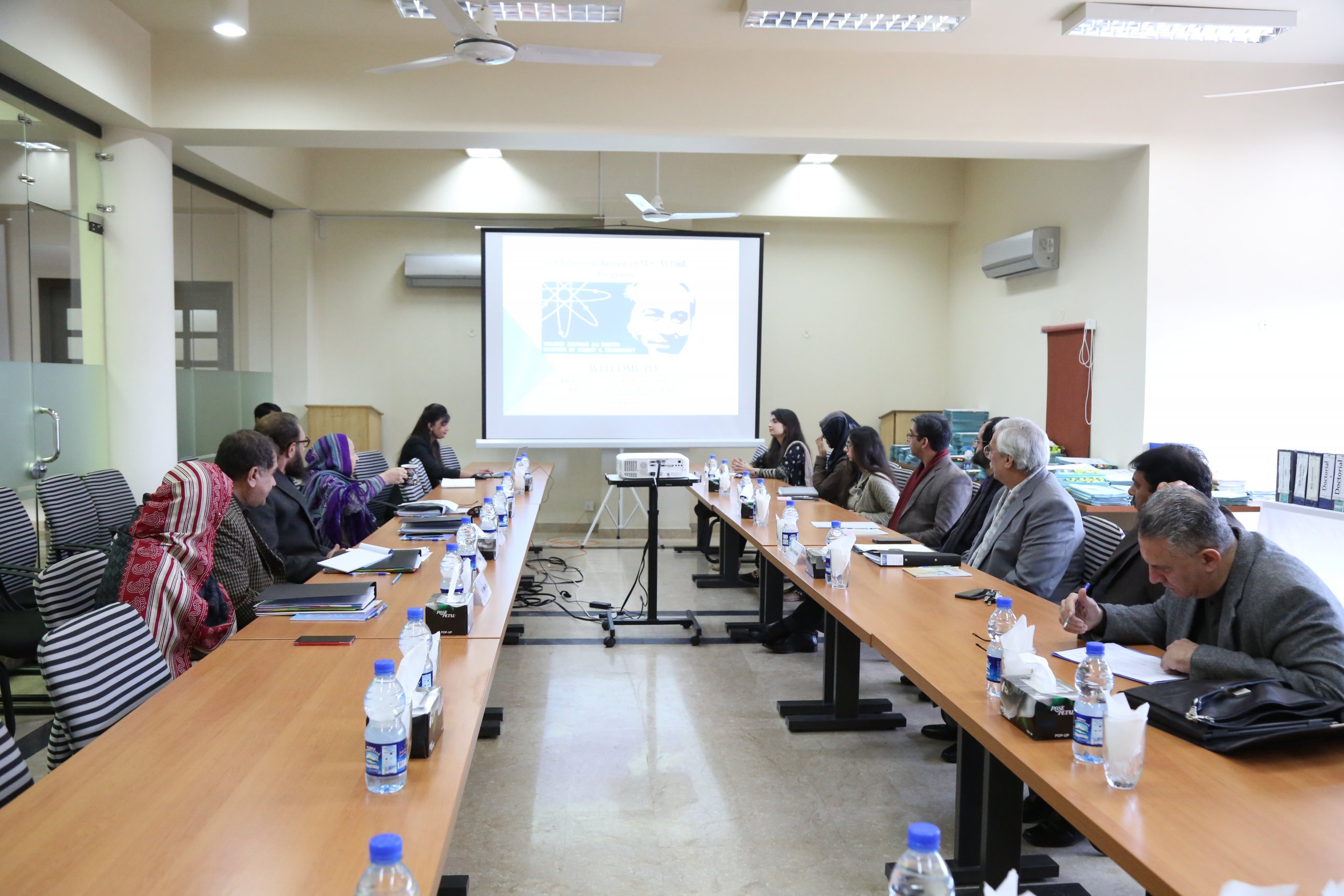
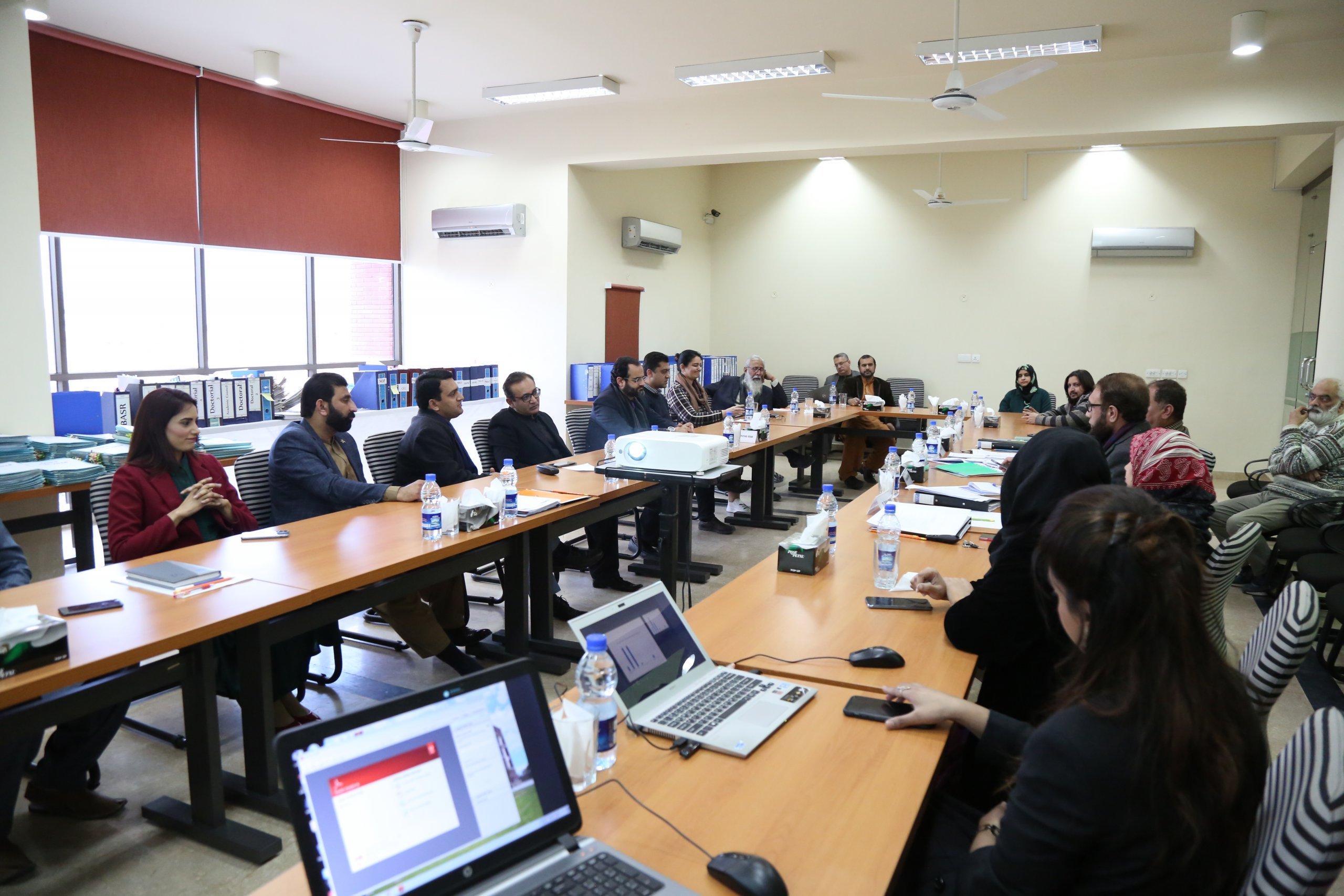
  7. QEC compiles the Yearly Progress Report (YPR) to assess the academic and operational performance of each program annually. It also facilitates the Institutional Performance Evaluation (IPE) as per HEC guidelines, assessing the overall effectiveness of the university. Specialized reviews are carried out for postgraduate (MS and PhD) research programs to ensure adherence to national and international standards.
  8. QEC facilitates visits by national & international accreditation bodies such as NBEAC, NCEAC, GAC, and others to secure and maintain program-level recognition. It also prepares and submits academic program data for inclusion in the Pakistan Qualification Register (PQR), ensuring formal HEC recognition and alignment with employment and further study requirements.

QEC executes the following procedures:

1. Self Assessment Reports

Department of Management Science:

  1. Bachelor of Business Administration (5th Cycle)
  2. Bachelor of Science Accounting & Finance (5th Cycle)
  3. Bachelor of Science Business Analytics
  4. Executive Master of Business Administration (5th Cycle)
  5. Professional Master of Business Administration (5th Cycle)
  6. Master of Business Administration (5th Cycle)
  7. Master of Human Resource Management (5th Cycle)
  8. Master of Project Management (5th Cycle)
  9. Master Sciences Project Management (5th Cycle)
  10. Master of Science Business Analytics (2nd Cycle)
  11. Master of Science Management Sciences (5th Cycle)
  12. PhD Management Sciences (5th Cycle)

Department of Computer Science:

  1. Bachelor of Science Computer Sciences (5th Cycle)
  2. Bachelor of Science Software Engineering (3rd Cycle)
  3. Master of Science Computer Science (5th Cycle)
  4. Master of Science Cyber Security (2nd Cycle)
  5. PhD Computing (5th Cycle)

Department of Robotics & Artificial Intelligence:

  1. Bachelor of Science Artificial Intelligence (2nd Cycle)
  2. Master of Science Data Sciences (3rd Cycle)

Department of Social Sciences:

  1. Bachelor of Science Social Sciences (5th Cycle)
  2. Bachelor of Science Psychology
  3. Master of Science Clinical Psychology (2nd Cycle)
  4. Master of Science Development Studies (5th Cycle)
  5. Master of Science Social Sciences (5th Cycle)
  6. Master of Science Sociology (2nd Cycle)
  7. PhD Psychology

Department of Media Sciences

  1. Bachelor of Media Sciences (5th Cycle)
  2. Master of Science Media Sciences (2nd Cycle)

2. MS/PhD Review Procedures

3. Survey Procedures

Quality Assurance Mechanism at SZABIST

SZABIST was established with the aim to impart quality education to national and international students enabling them to become an effective integral part of the society. Over the years SZABIST has rigorously adapted different ways to improve its education imparting abilities and bringing the best out from the available resources. Keeping itself abreast with the demands of the national and international market, SZABIST has actively participated in the latest education improvement framework introduced by the Higher Education Commission (HEC) to improve the quality of its programs and building a repute of its own. QEC focus on achieving quality assurance in the following areas:
1. Academic Quality Assurance
2. Support Functions Quality Assurance

Academic Quality Assurance
The academic quality assurance focuses on achieving the desired outcomes of academic programs through a well-defined education system comprised of program development, execution, review, and improvement cycle.

Support Functions Quality Assurance
SZABIST Islamabad has taken a step further towards achieving operational excellence by the implementation of a quality assurance mechanism for support departments. Support department operations are evaluated once a year through an internal quality audit. During the audit, departmental level adherence to policies and procedures is evaluated and areas of improvement are identified are worked upon.

Types of Quality Assurance Activities

At SZABIST there are two types of quality assurance activities through which quality standards are maintained:

  1. Internal Quality Assurance
  2. External Quality Assurance

Internal Quality Assurance

The internal quality assurance system at SZABIST is derived from the National Qualification Framework (NQF) and guidelines set out in Quality Assurance Manual by HEC and mainly focuses on Self-Assessment activity related to academic programs as well as a review of our academic and support departments through internal audit.

  1. Adaptation of the National Qualification Framework
  2. Implementation of HEC Policies as per QA Manual
  3. Self Assessment as per HEC SAR Manual
  4. Internal Audits
  5. Progression of Strategic Plan
  6. Class Monitoring Teaching and Learning
  7. Student Feedback and Evaluation

External Quality Assurance

External Quality Assurance at SZABIST university is conducted through independent evaluations of our academic programs and support functions. These assessments help ensure that our processes meet established quality standards and institutional objectives. Through external reviews, SZABIST continuously identifies areas for improvement, and promotes accountability.

  1. HEC Visit for MS/Ph.D Programs Review
  2. Accreditation Bodies Visit for Programs Evaluation
  3. HEC Visit for Quality evaluation/ranking
  4. Statistical Data Evaluation
  5. International Ranking
  6. HEC Data Submissions
  7. Pakistan Qualification Register (PQR) Updates

Types of Quality Assurance Activities

At SZABIST there are two types of quality assurance activities through which quality standards are maintained:

  1. Internal Quality Assurance
  2. External Quality Assurance

Curriculum Review

Curriculum reviews are conducted to ensure the suitability of programs as per the requirements of HEC and present market needs. This is done through the following mechanism:
a. Cluster Heads
b. Curriculum Review Committee
c. Board of Studies (BOS)
d. Board of Faculties (BOF)
e. Academic Council (AC)
Cluster heads, curriculum review committee and Board of Studies provide feedback on curriculum which is then reviewed in Board of Faculty and Academic Council meetings.

Outcome-Based Learning

As per institutional policy, each department is required to assess its progress against defined learning outcomes for the program.
At the end of each semester, academic departments ensure the maintenance of Course Files/Folders for each course taught during the semester through faculty members.
Faculty members are required to generate a Faculty Course Assessment Report (FCAR) at the end of each semester. This report reflects the level of achievement with respect to defined learning outcomes for each taught course.

Research Evaluation

SZABIST Islamabad undertakes the research activity at the core of its academic development and monitors this through:
• Doctoral Committee (DC)
• Board of Advanced Studies and Research (BASR)
• Academic Council (AC)
Research activity is carried out as per defined policies that are set out in line with HEC policies for the award of Ph.D/Research-based degrees.

Faculty and Course Assessment

SZABIST Islamabad regularly conducts the faculty and course assessment to ensure the efficiency of teaching methodology and effectiveness of course contents. Faculty assessment is done through a transparent mechanism performed against defined parameters.
Faculty assessment is also done by students during the semester to evaluate how a faculty member is performing with respect to course contents delivery.
Course assessment is carried out at different intervals during the semester by students to provide their feedback on the course-related areas.

Campus Progress Review (CPR)

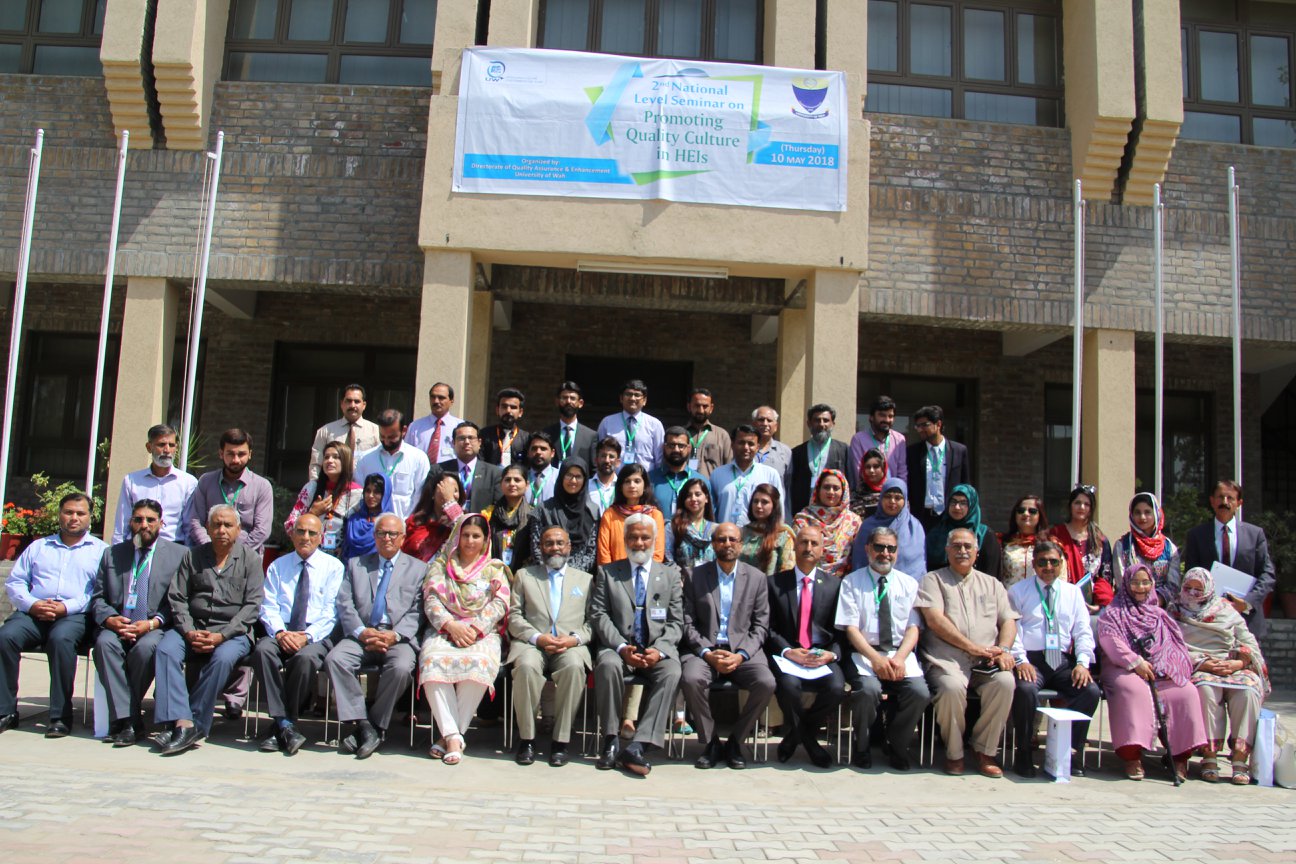
ӏntеrnаtіοnаl Cοnfеrеncе οn іssuеs аnd cһаllеngеs Stаndаrds аnd Pοlіcіеs
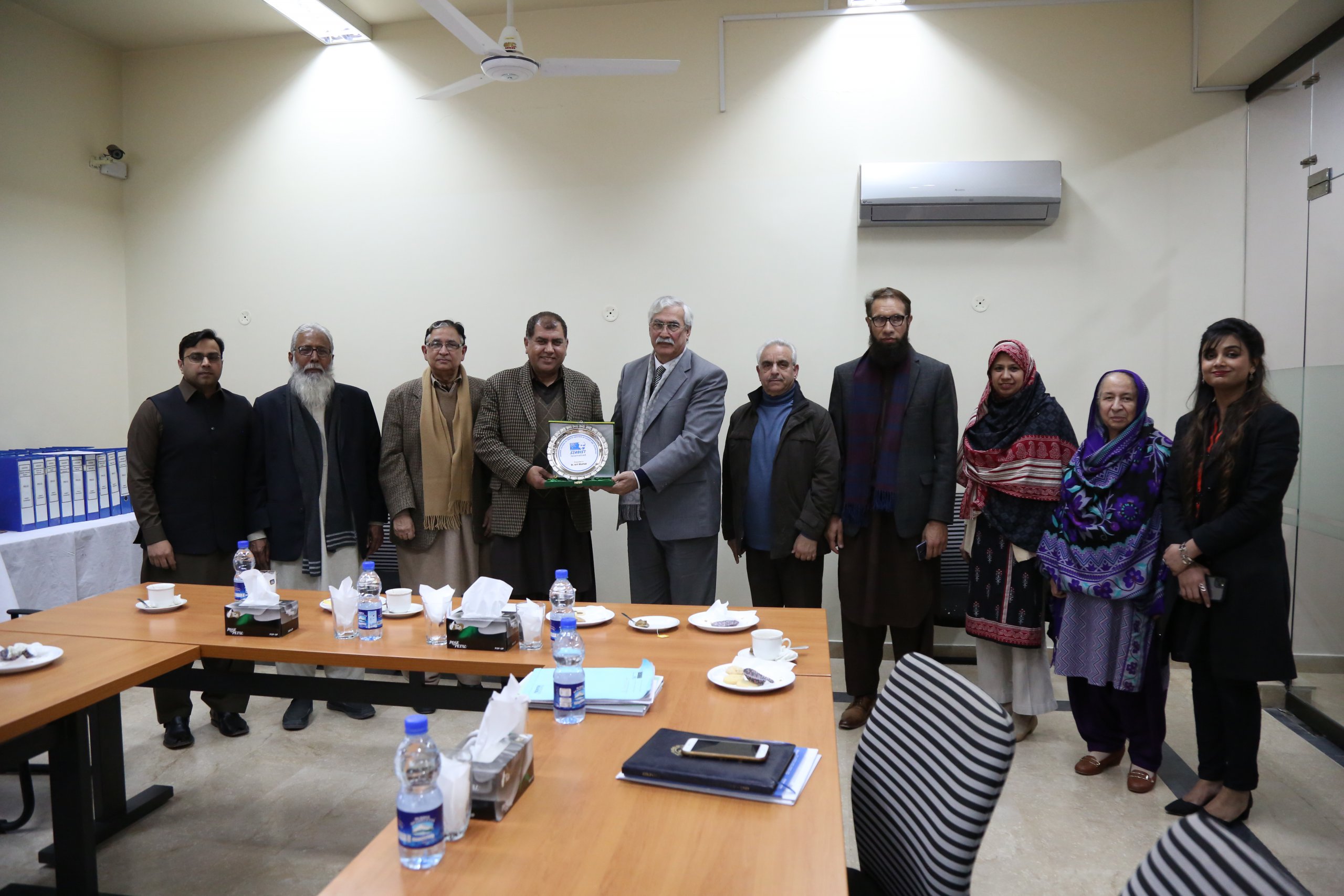
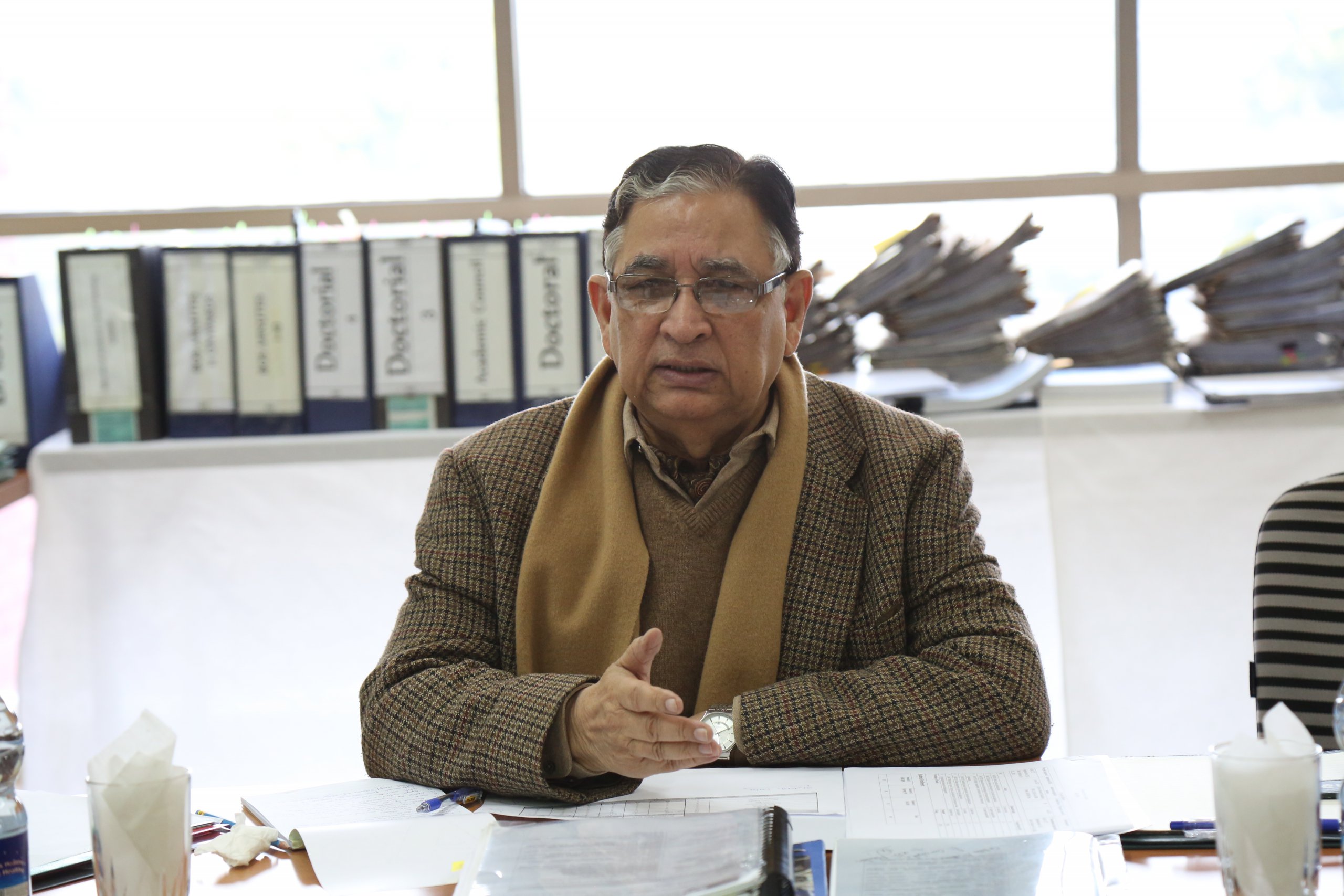
Events And Conferences

SDGs Reports

SDGs Report 2024

Our Team

image

Dr. Ayesha Noor

In charge QEC
dr.ayesha@szabist-isb.edu.pk

MR. RASHID JAMIL SATTI

Manager QEC
rashid.jamil@szabist-isb.edu.pk

Ms. Anam Amjad

Assistant Manager QEC
anam.amjad@szabist-isb.edu.pk

MS. IQRA UMER

Officer QEC
iqra.umer@szabist-isb.edu.pk

MS. MEMOONA HANIF

Officer QEC
memoona@szabist-isb.edu.pk