- This event has passed.
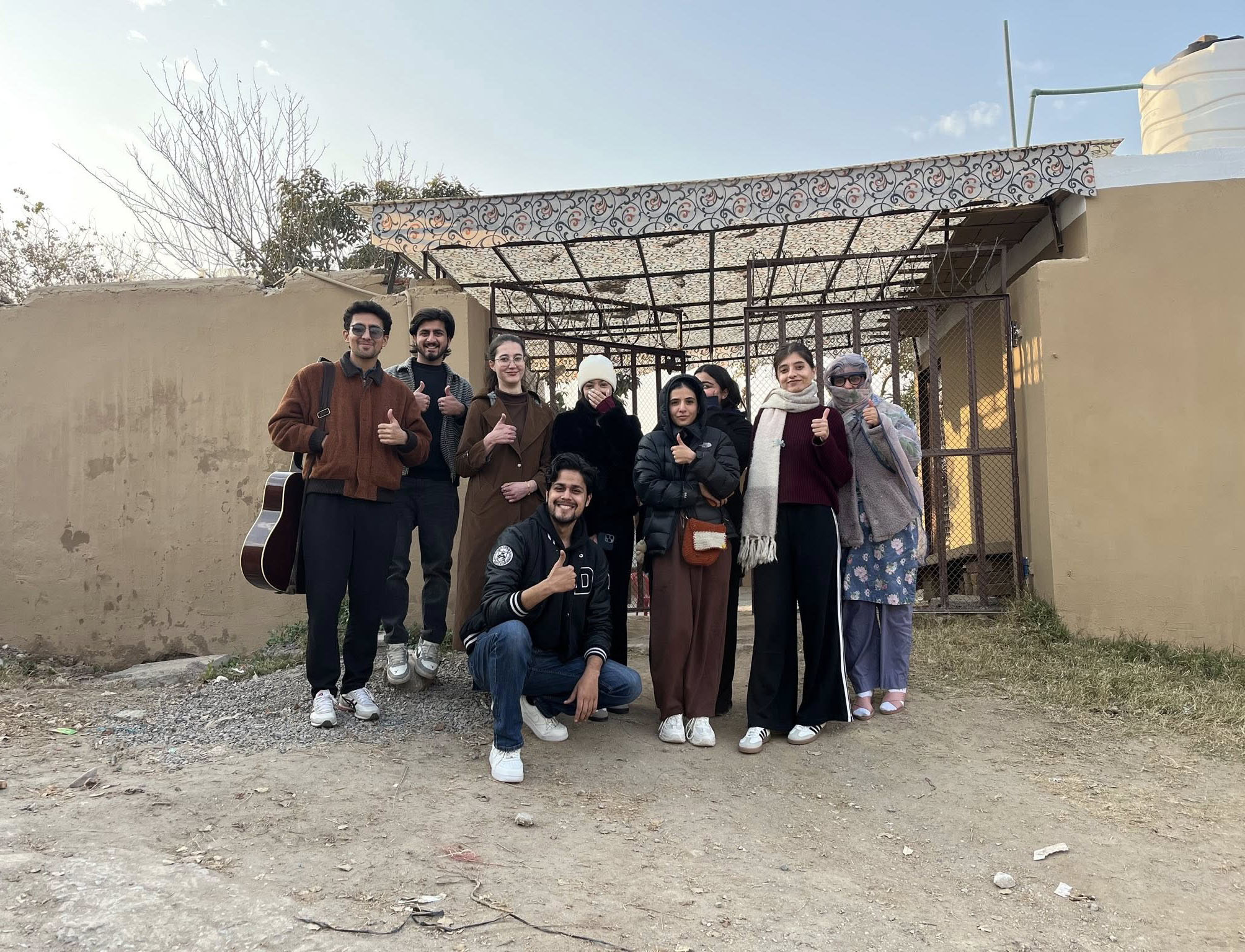
Social Science students at SZABIST University Islamabad extended learning beyond the classroom by actively engaging with communities to support the United Nations Sustainable Development Goals (SDGs), including SDG 1 (No Poverty), SDG 3 (Good Health & Well-Being), SDG 4 (Quality Education), and SDG 6 (Clean Water & Sanitation).
As part of their semester-based experiential learning project, students conducted community visits, needs assessments, and awareness sessions with disadvantaged populations in schools, slum areas, and underserved neighborhoods. Their activities included health and hygiene awareness workshops, distribution of hygiene kits, education on clean water and sanitation practices, basic learning support for schoolchildren, and meaningful conversations around poverty, access, and well-being. Recreational and engagement-based activities were also organized to create a supportive and inclusive environment for community members.
Applying their understanding of human behavior, social systems, and community engagement, students designed practical, culturally sensitive, and impact-oriented interventions tailored to real community needs. The project enabled students to develop essential skills such as empathy, leadership, research, teamwork, and problem-solving, while simultaneously empowering communities through awareness, knowledge-sharing, and inclusion.
This initiative highlights SZABIST Islamabad’s commitment to experiential learning and social responsibility, demonstrating how social science education can translate theory into action and transform students into active agents of sustainable social change.