
- This event has passed.
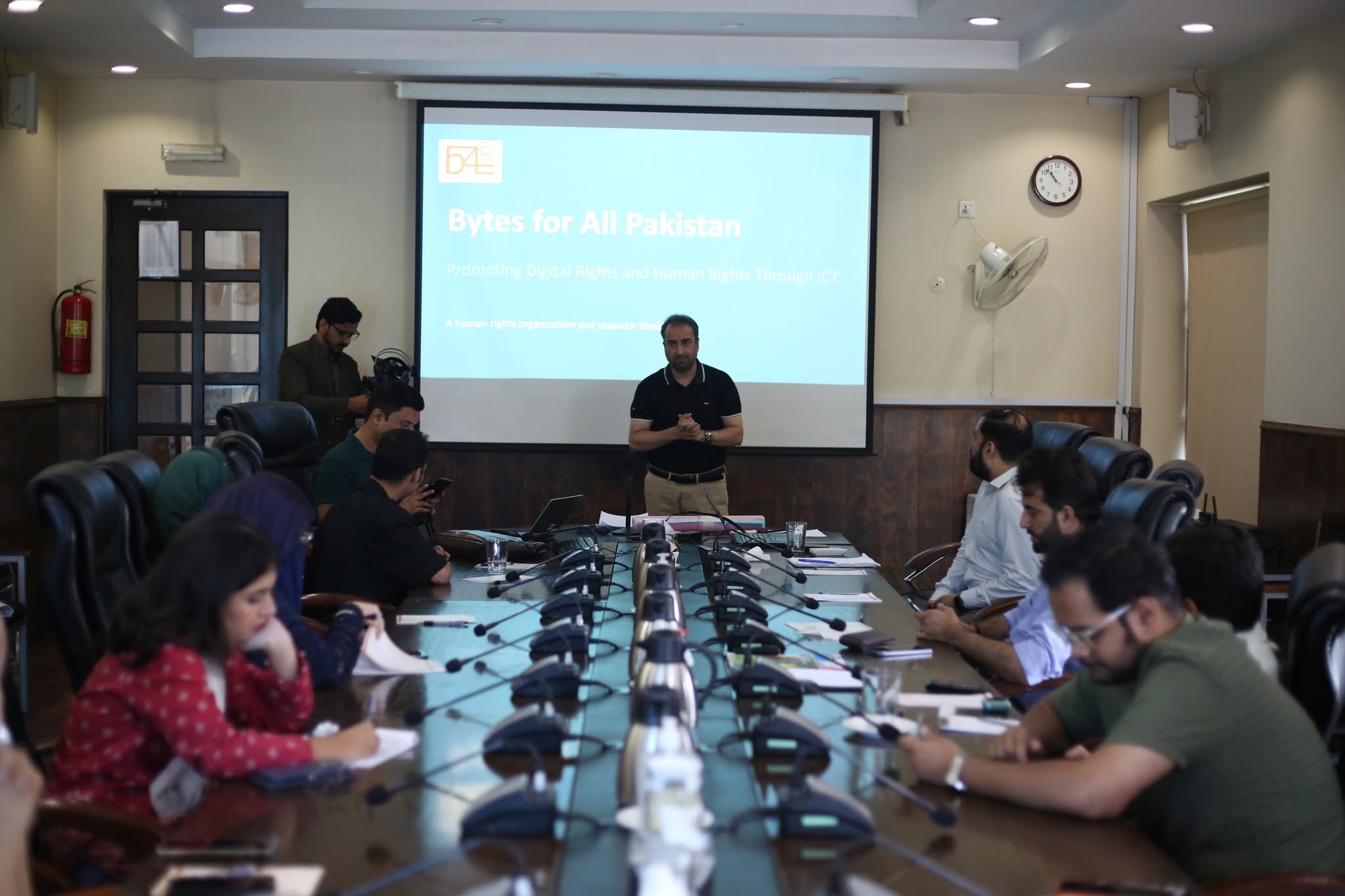
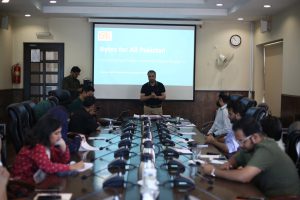
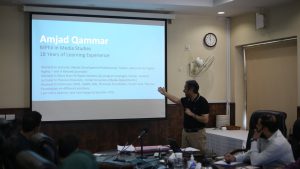
The Department of Media Sciences at SZABIST University Islamabad, under the SZABIST Centre for Media Innovation & Incubation (SCMI³), organized a two-day training programme on Constructive Journalism in September 2026 in collaboration with Bytes for All (B4A), Pakistan, a human rights organization and research think tank.
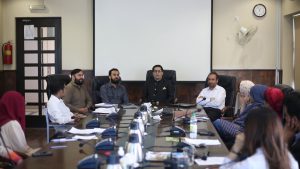
The training brought together 12 aspiring journalism students from the BS Media Sciences and MS Media Sciences programs. The programme was designed to equip emerging media professionals with practical approaches to reporting stories beyond negativity and conflict while maintaining the core principles of journalistic accuracy, fairness, accountability, and responsible storytelling.
Participants were introduced to the key principles of Constructive Journalism, including its three major pillars: solutions, nuances, and democratic conversation. The training explored how journalists can identify, research, and develop constructive stories that provide audiences with a deeper understanding of complex issues.
A key component of the training focused on the four essential elements of a solutions story: Response, Evidence of Results, Insights/Information, and Limitations. Through discussions and practical exercises, students learned how these elements can help create balanced and evidence-based stories that move beyond simply highlighting problems.
The second day focused on practical journalism skills, including constructive interviewing, story pitching, reporting under deadline constraints, audience engagement, and using social media to encourage meaningful public participation. The hands-on approach enabled participants to apply the concepts learned during the training to realistic newsroom and reporting scenarios.
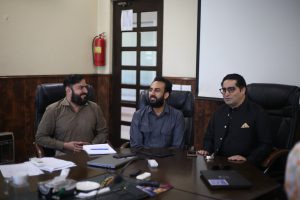
One of the highlights of the programme was the Session with Editors, which brought together academic and industry perspectives. The panel featured Dr. Wajid Zulqarnain and Dr. Naveed from SZABIST, along with Shah Abdul Sabookh, Editor at Indus Broadcasting Communications (IBC News). The session provided students with practical insights into newsroom standards, editorial decision-making, constructive journalism, and the importance of building and maintaining audience trust in Pakistani media.
The programme combined presentations, discussions, group activities, story analysis, practical exercises, story pitching, and an open Q&A session, giving students an opportunity to connect classroom learning with contemporary journalism practices and professional expectations.
The training concluded with an emphasis on developing a more informed, nuanced, evidence-based, and solution-oriented approach to journalism. It also highlighted the role of emerging media professionals in engaging audiences through responsible storytelling and meaningful public dialogue.
Through initiatives such as this, SZABIST Centre for Media Innovation & Incubation (SCMI³) continues to create opportunities that connect media education with industry practice, innovation, and professional development, preparing students to navigate and contribute to the evolving media landscape.